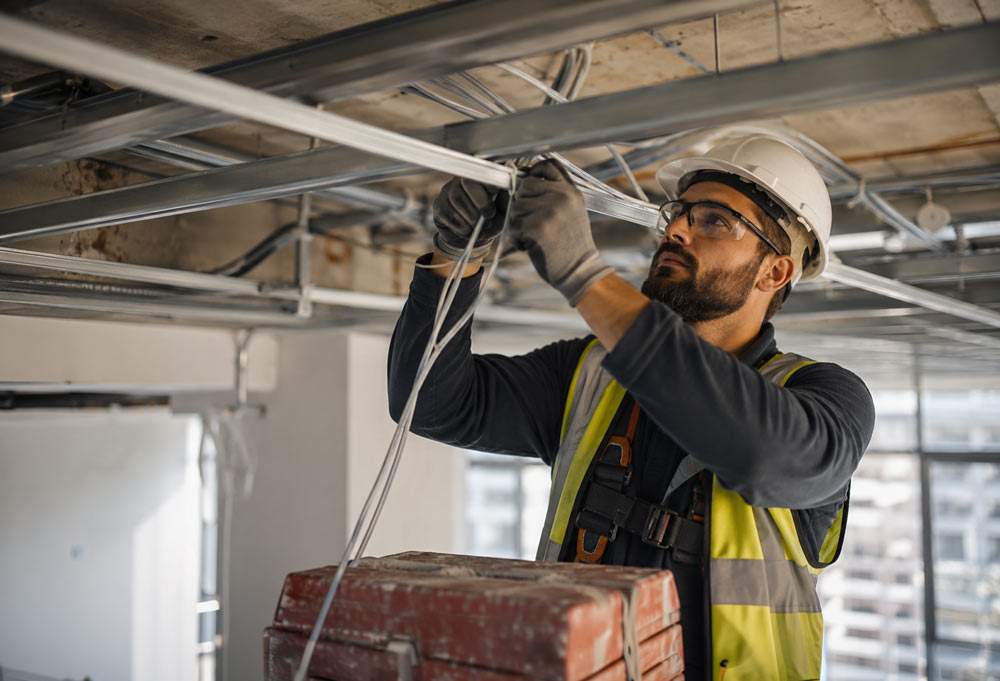
Electrical systems are the backbone of modern commercial properties. From lighting and heating to IT infrastructure and machinery, businesses rely on safe and reliable electrical installations every day. Yet many building owners and facilities managers rarely think about their wiring until problems begin to appear.
Like any part of a building, electrical installations have a lifespan. Over time, wiring can deteriorate, become overloaded or fail to meet the demands of modern equipment. While minor issues can often be repaired, there comes a point where a full Commercial Rewire becomes the safest and most cost-effective solution.
Knowing when that point has been reached is essential for maintaining compliance, reducing downtime and protecting employees, visitors and assets. In this guide, we explore the key signs that indicate a commercial property may require rewiring and explain the benefits of investing in a professional Commercial Rewire.
What Is a Commercial Rewire?
A Commercial Rewire involves replacing all or a substantial portion of a building’s electrical wiring infrastructure.
Depending on the condition of the existing installation, this may include:
- Electrical cabling
- Distribution boards
- Consumer units
- Switchgear
- Sockets and switches
- Lighting circuits
- Power circuits
- Earthing and bonding systems
The aim is to ensure the electrical installation remains safe, reliable and capable of supporting the operational needs of the business.
Unlike domestic properties, commercial buildings often have more complex electrical requirements, making professional planning and installation particularly important.
How Long Does Commercial Wiring Last?
There is no fixed lifespan for commercial electrical wiring.
Many installations can remain serviceable for 25 to 40 years or more if properly maintained. However, factors such as environmental conditions, usage levels, installation quality and ongoing maintenance can all influence longevity.
A warehouse operating heavy machinery may experience more wear on its electrical infrastructure than a small office environment.
Rather than relying solely on age, businesses should assess the overall condition and performance of the installation through regular inspections and testing.
Your Electrical Installation Is More Than 30 Years Old
Age alone does not necessarily mean a building requires rewiring, but it can be a strong indicator.
Older wiring systems may have been installed to standards that differ significantly from current regulations. They may also have been designed for a much lower electrical demand than modern businesses require.
Many commercial properties have undergone multiple alterations over the years, resulting in a patchwork of additions and modifications that can create inefficiencies and potential safety concerns.
If your building’s electrical installation is more than 30 years old, it may be worth arranging a professional assessment to determine whether a Commercial Rewire would be beneficial.
Frequent Electrical Faults Are Occurring
One of the clearest warning signs is an increase in electrical faults.
Examples include:
- Circuit breakers tripping regularly
- Flickering lights
- Power interruptions
- Fault warnings
- Overheating sockets
- Intermittent equipment failures
While occasional issues can occur in any building, repeated faults often suggest that the underlying electrical infrastructure is struggling.
A professional electrician can investigate the cause, but in some cases a full Commercial Rewire may offer a more practical long-term solution than ongoing repairs.
Your EICR Identifies Serious Issues
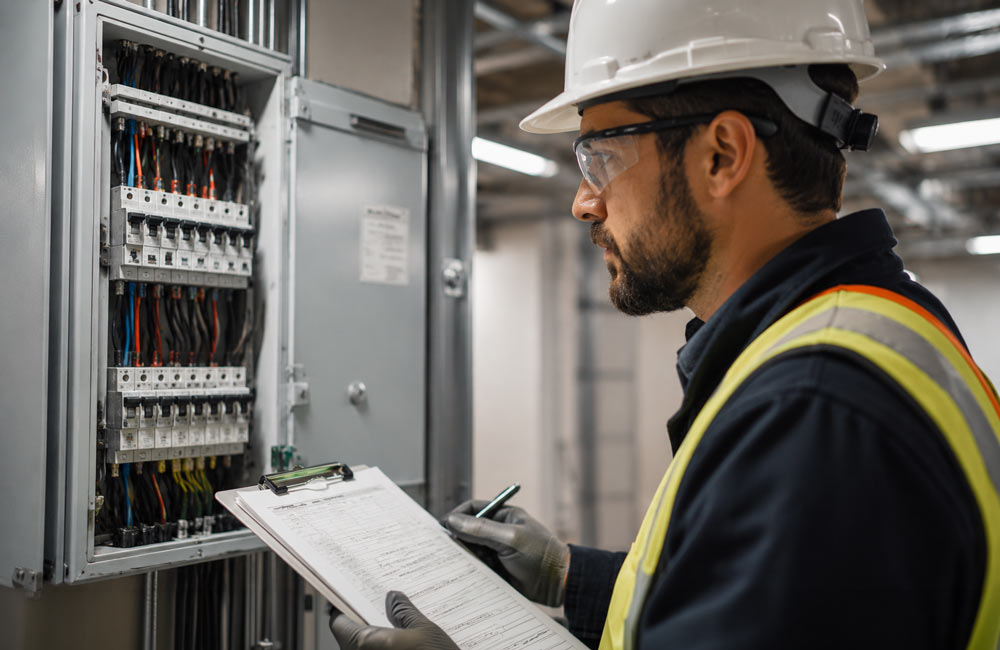
An Electrical Installation Condition Report (EICR) provides a detailed assessment of the safety and condition of a building’s electrical installation.
During the inspection, engineers look for:
- Deteriorated wiring
- Overloaded circuits
- Inadequate earthing
- Unsafe modifications
- Non-compliant installations
If the report identifies significant concerns, rewiring may be recommended to restore safety and compliance.
An unsatisfactory EICR should never be ignored, particularly in commercial environments where electrical failures can affect staff, customers and business operations.
The Building Has Changed Significantly
Businesses evolve over time.
Office layouts change, warehouse operations expand, new machinery is installed and additional workstations are added.
Electrical systems that were originally designed for one purpose may struggle to support new demands.
Examples include:
- Office expansions
- Retail refurbishments
- Industrial upgrades
- Additional production equipment
- Increased IT infrastructure
- New air conditioning systems
If the electrical installation no longer reflects the building’s current use, a Commercial Rewire may be necessary to accommodate future growth safely and efficiently.
You Are Planning a Major Refurbishment
A major refurbishment presents an ideal opportunity to evaluate the existing electrical infrastructure.
When walls, ceilings and floors are already being altered, access to wiring becomes easier and more cost-effective.
Many property owners choose to undertake a Commercial Rewire during renovation projects to avoid future disruption and ensure the upgraded space meets modern standards.
This approach can also support the installation of:
- LED lighting systems
- Data cabling
- Access control systems
- EV charging infrastructure
- Energy-efficient technologies
Integrating these improvements during refurbishment often delivers greater long-term value.
Outdated Wiring Materials Are Present
Some older commercial properties may still contain wiring materials that are considered outdated by today’s standards.
Examples can include:
- Rubber-insulated cables
- Lead-sheathed cables
- Ageing PVC insulation
- Obsolete distribution equipment
Over time, insulation can become brittle, crack or deteriorate, increasing the risk of electrical faults and fire.
If outdated materials are identified during inspection, a Commercial Rewire may be the safest option.
Electrical Demand Has Increased
Modern businesses rely on far more electrical equipment than previous generations.
Computers, servers, machinery, air conditioning systems, charging points and security systems all place additional demand on electrical installations.
When circuits become overloaded, businesses may experience:
- Tripping breakers
- Voltage fluctuations
- Equipment damage
- Reduced reliability
A professionally designed Commercial Rewire can ensure adequate capacity for current and future requirements while improving overall efficiency.
Safety Concerns Are Emerging
Electrical safety should always be a priority.
Warning signs that require immediate investigation include:
- Burning smells
- Discoloured sockets
- Buzzing noises
- Warm switch plates
- Exposed wiring
- Electric shocks
These issues can indicate serious faults within the installation and should never be ignored.
In some cases, rewiring may be required to eliminate risks and restore a safe working environment.
Compliance and Insurance Considerations
Commercial property owners have legal responsibilities to maintain safe electrical systems.
Failure to address known electrical defects can potentially lead to:
- Compliance issues
- Health and safety breaches
- Increased liability
- Insurance complications
Some insurers may request evidence of regular inspections and maintenance. If an electrical installation is found to be unsafe or poorly maintained, it could affect insurance claims following an incident.
A Commercial Rewire can help demonstrate a commitment to safety while supporting compliance with current standards.
Benefits of a Commercial Rewire
While rewiring represents a significant investment, the long-term benefits can be substantial.
Advantages include:
- Improved electrical safety
- Greater reliability
- Reduced maintenance costs
- Enhanced energy efficiency
- Increased capacity for future growth
- Better compliance with regulations
- Reduced risk of electrical fires
- Improved property value
For many businesses, the cost of ongoing repairs and downtime can eventually exceed the cost of a planned rewire.
Conclusion
Electrical installations are not designed to last forever. As wiring ages and business requirements change, systems can become less reliable, less efficient and potentially unsafe.
Frequent faults, unsatisfactory EICR reports, outdated wiring materials and increased electrical demand are all signs that a Commercial Rewire may be required. Taking action before serious problems develop can help minimise disruption, improve safety and protect your investment.
If you are unsure about the condition of your building’s electrical installation, a professional inspection can provide valuable insight and help determine whether a Commercial Rewire is the right solution for your property. By planning ahead, businesses can maintain compliance, support operational efficiency and ensure their electrical infrastructure remains fit for purpose for years to come.