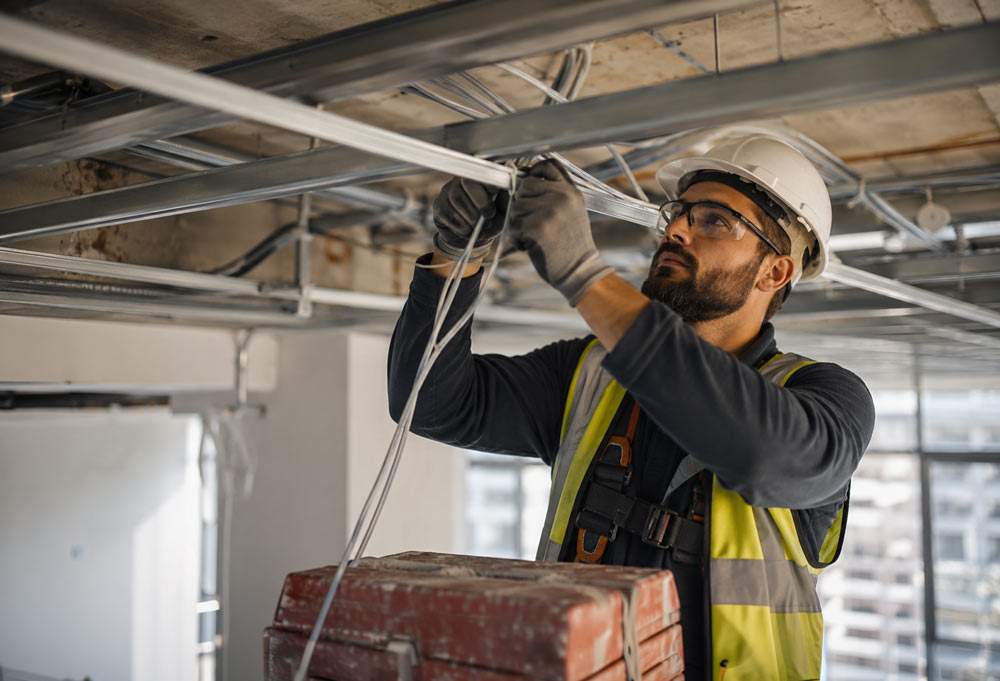
Electrical safety is a fundamental responsibility for every commercial property owner, landlord and facilities manager. Whether you operate an office, warehouse, retail unit, school, healthcare facility or industrial site, ensuring your electrical systems are safe and compliant is essential for protecting people, property and business operations.
One of the most effective ways to assess the condition of an electrical installation is through an Electrical Safety Inspection. These inspections help identify potential hazards, highlight areas of non-compliance and provide reassurance that your electrical infrastructure is performing as it should.
However, many businesses are unsure what an inspection involves or how best to prepare for one. Taking a proactive approach can help the process run smoothly and may even reduce the likelihood of costly remedial work later.
In this guide, we explain how to prepare your commercial property for an Electrical Safety Inspection and what you can expect during the process.
What Is an Electrical Safety Inspection?
An Electrical Safety Inspection is a thorough assessment of a building’s electrical installation carried out by a qualified electrician or electrical contractor.
The purpose of the inspection is to determine whether the electrical system remains safe, suitable for continued use and compliant with current regulations.
During the inspection, engineers assess various components including:
- Electrical wiring
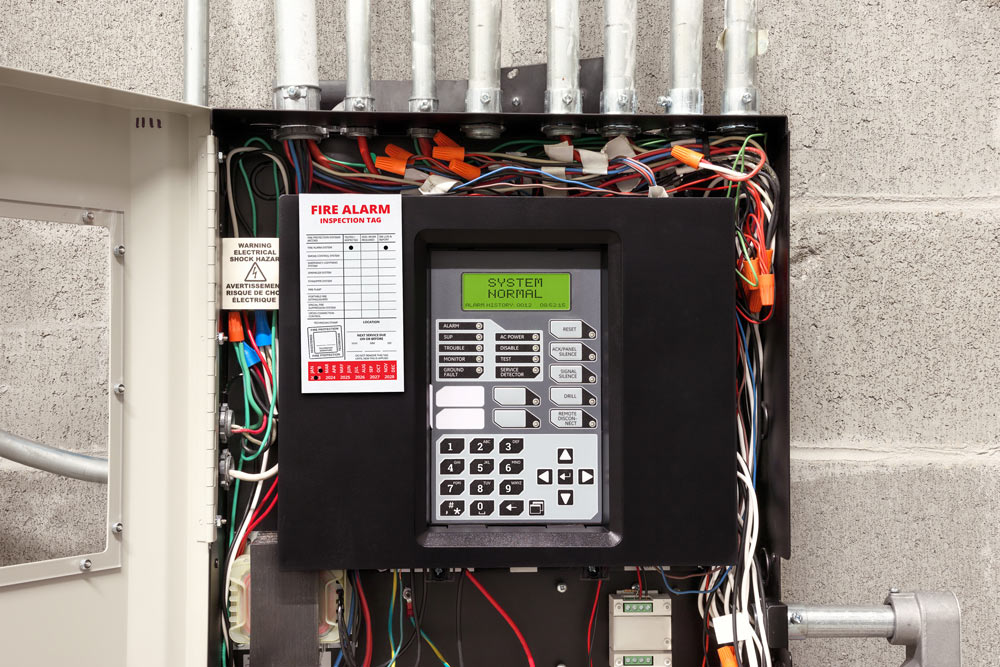
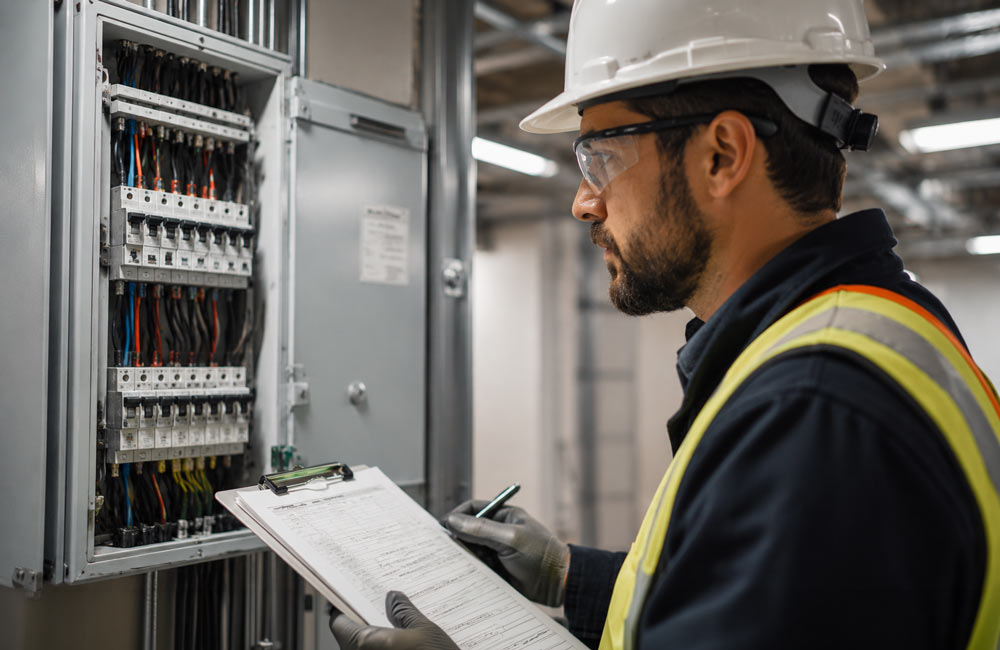
- Distribution boards
- Consumer units
- Switches and sockets
- Earthing and bonding
- Lighting circuits
- Power circuits
- Protective devices
The findings are usually documented in an Electrical Installation Condition Report (EICR), which highlights any issues requiring attention.
Why Electrical Safety Inspections Matter
Electrical faults can lead to serious consequences if left undetected.
Potential risks include:
- Electric shock
- Electrical fires
- Equipment damage
- Business interruption
- Regulatory breaches
- Increased liability
Regular Electrical Safety Inspection programmes help identify problems before they become dangerous or costly.
For commercial properties, inspections also demonstrate a commitment to health and safety while helping businesses meet their legal responsibilities.
Review Previous Inspection Reports
One of the first steps when preparing for an Electrical Safety Inspection is to gather any previous inspection reports.
These documents can provide valuable information about:
- Earlier recommendations
- Previously identified defects
- Completed remedial work
- Historical electrical issues
Inspectors will often review previous reports to assess whether any outstanding concerns remain unresolved.
Having this information readily available can help streamline the inspection process and provide useful context regarding the condition of the installation.
Ensure Access to Electrical Equipment
Inspectors need access to various parts of the electrical installation in order to complete a thorough assessment.
Before the inspection takes place, ensure access is available to:
- Distribution boards
- Consumer units
- Switch rooms
- Plant rooms
- Electrical cupboards
- Meter locations
Blocked access can delay the inspection and may prevent certain areas from being properly assessed.
If keys, access codes or permits are required, these should be arranged in advance to avoid unnecessary disruption.
Check for Obvious Signs of Damage
While the inspection itself will identify defects, conducting a basic visual review beforehand can be worthwhile.
Look for signs such as:
- Damaged sockets
- Cracked switches
- Exposed wiring
- Missing covers
- Overheating marks
- Loose fittings
Addressing obvious issues before the Electrical Safety Inspection may help prevent minor defects from appearing on the final report.
It can also improve overall workplace safety in the meantime.
Organise Electrical Documentation
Accurate records can be extremely helpful during an inspection.
Where available, gather documentation such as:
- Electrical certificates
- Previous EICRs
- Installation records
- Maintenance logs
- Equipment manuals
- Circuit schedules
Good record keeping demonstrates that electrical systems are being properly maintained and managed.
It can also assist inspectors when assessing alterations, upgrades and previous works completed within the building.
Inform Staff About the Inspection
Electrical inspections may involve temporary power interruptions while testing is carried out.
Informing staff in advance can help minimise inconvenience and reduce operational disruption.
Employees should be aware of:
- Inspection dates
- Areas being assessed
- Potential power interruptions
- Access requirements
Clear communication ensures everyone understands what to expect and helps the inspection proceed efficiently.
For larger sites, it may also be helpful to nominate a member of staff to accompany the inspector if required.
Identify Any Known Electrical Issues
If there are existing electrical concerns within the property, make a note of them before the inspection begins.
Examples may include:
- Flickering lights
- Tripping circuits
- Fault warnings
- Equipment failures
- Intermittent power issues
Sharing this information with the inspector can help direct attention towards problem areas and may assist with diagnosing underlying faults.
An Electrical Safety Inspection is often an ideal opportunity to investigate recurring issues that have not yet been fully resolved.
Review Recent Alterations and Additions
Many commercial buildings undergo changes over time.
Additional workstations, machinery, lighting systems and air conditioning units can all affect electrical demand.
If significant modifications have been made since the last inspection, it is helpful to provide details of:
- Refurbishments
- Building extensions
- New equipment installations
- Additional power requirements
- Electrical upgrades
This information allows inspectors to assess whether the existing installation remains suitable for the current use of the property.
Ensure Distribution Boards Are Properly Labelled
Accurate labelling can greatly improve the efficiency of an Electrical Safety Inspection.
Distribution boards should clearly identify:
- Circuit functions
- Areas served
- Protective devices
- Isolation points
Poor labelling can make testing more difficult and increase the time required to complete the inspection.
If labels have become damaged or outdated, consider updating them before the inspection takes place.
Prepare for Potential Remedial Work
While every property owner hopes for a satisfactory outcome, inspections sometimes identify issues requiring attention.
Common findings may include:
- Damaged components
- Inadequate earthing
- Circuit overloading
- Outdated equipment
- Non-compliant installations
Preparing for the possibility of remedial work can help businesses respond quickly if recommendations are made.
Prompt action not only improves safety but may also prevent more serious issues developing in the future.
What Happens During an Electrical Safety Inspection?
A typical Electrical Safety Inspection involves both visual assessments and electrical testing.
Inspectors may:
- Examine wiring and equipment
- Check protective devices
- Test circuit continuity
- Verify earthing arrangements
- Assess insulation resistance
- Identify signs of deterioration
- Review compliance with current standards
Depending on the size and complexity of the property, the inspection may take several hours or even multiple days.
The resulting report will outline any observations and recommend appropriate actions where necessary.
The Benefits of Being Prepared
Taking time to prepare for an Electrical Safety Inspection offers several advantages.
These include:
- Faster inspection times
- Reduced disruption
- Better access to equipment
- More accurate assessments
- Improved compliance management
- Greater confidence in electrical safety
Preparation also demonstrates a proactive approach to maintaining the property and protecting those who use it.
Conclusion
An Electrical Safety Inspection plays a vital role in maintaining safe and compliant commercial premises. By identifying defects, highlighting risks and verifying the condition of electrical systems, inspections help businesses protect people, assets and day-to-day operations.
Preparing in advance can make the process far more efficient. Ensuring access to equipment, organising documentation, informing staff and addressing obvious issues all contribute to a smoother inspection experience.
Whether you manage a small office, a retail premises or a large industrial facility, regular Electrical Safety Inspection programmes should form an essential part of your building maintenance strategy. Investing in electrical safety today can help prevent costly problems tomorrow while providing peace of mind that your property remains safe, compliant and fit for purpose.