Fixed wire testing is often seen as a compliance exercise, but it can tell you far more than whether an installation passes or fails.
When carried out properly, electrical testing gives building owners, facilities teams and duty holders a clearer view of the condition of their electrical systems. It can highlight risks, show where maintenance should be prioritised and support better decisions before small issues become harder to manage.
What fixed wire testing actually looks at
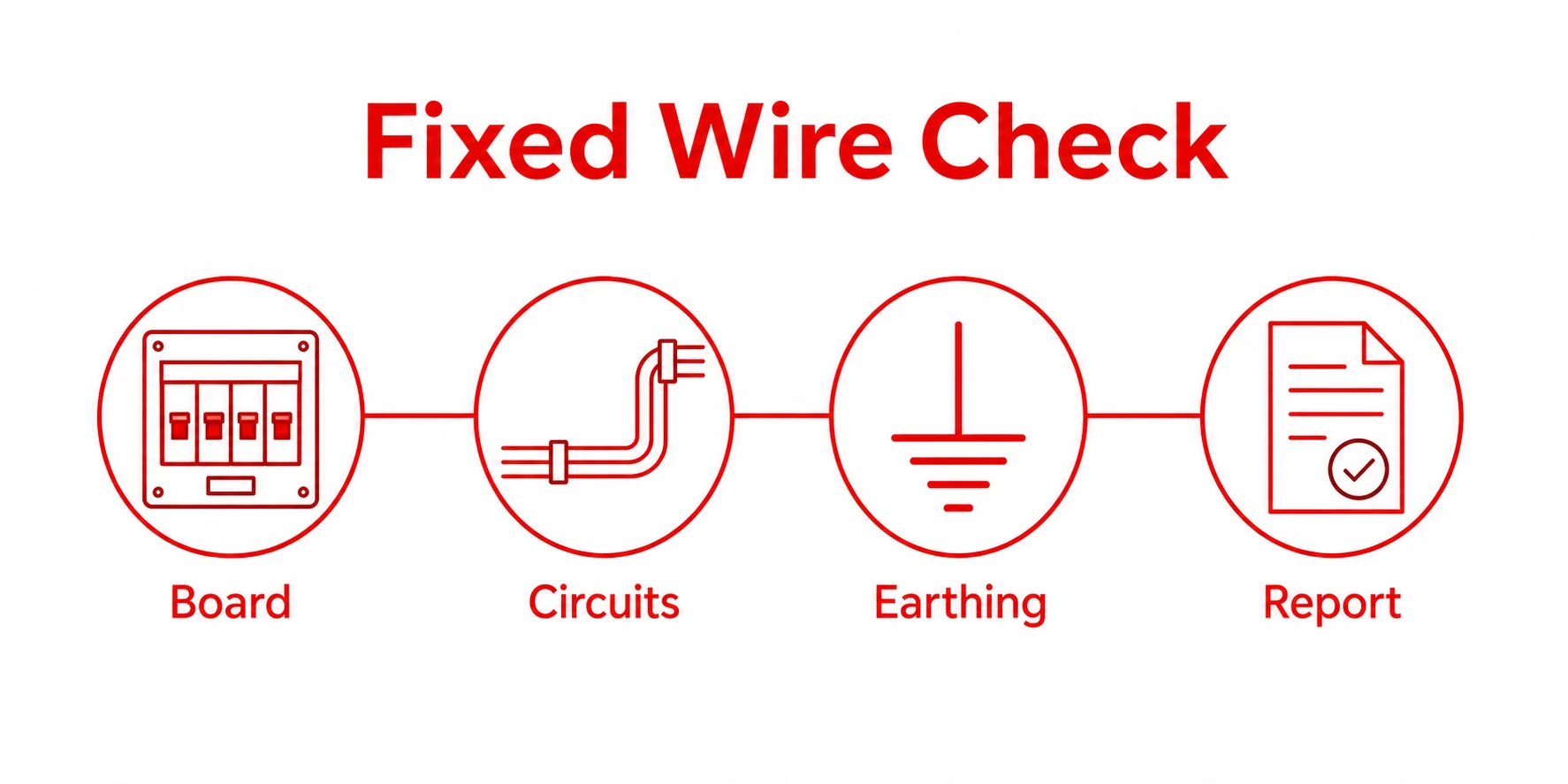
Fixed wire testing, often referred to as an electrical installation condition report, examines the fixed electrical installation within a building. That means the wiring, distribution boards, circuits, protective devices, earthing and bonding arrangements, rather than portable appliances or equipment that can be unplugged and moved.
The aim is to assess whether the installation remains safe for continued use. Over time, buildings change. New equipment is added, rooms are adapted, electrical loads increase and older components can deteriorate. A test gives a structured way to check whether the installation is still suitable for how the building is being used today.
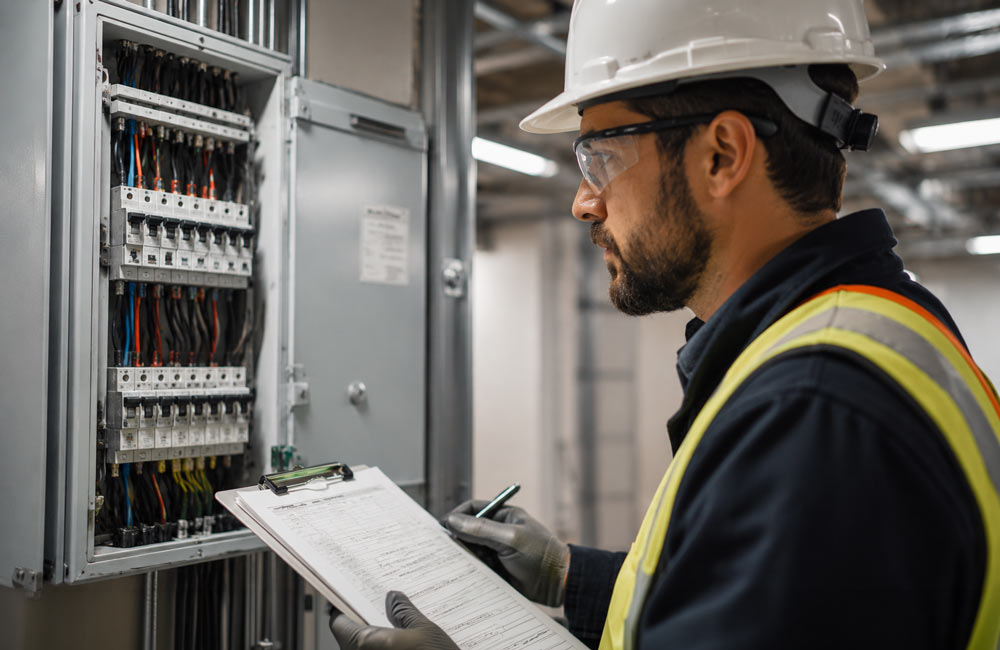
A competent electrical contractor will usually combine visual inspection with testing. The visual element can identify signs of wear, damage, overheating, poor workmanship, missing labels or access issues. The testing element checks how circuits perform and whether protective measures are likely to operate correctly if a fault occurs.
For many organisations, this process forms part of wider electrical testing and commissioning activity, especially when buildings are being refurbished, handed over, expanded or brought into a planned maintenance programme.
The condition of the installation
One of the most useful things fixed wire testing can reveal is the general condition of the electrical installation. A building can appear to operate normally while still carrying hidden defects. Lights may work, sockets may provide power and equipment may run, but that does not always mean the installation is in good condition.
Testing can identify insulation deterioration, poor connections, damaged accessories, overloaded circuits and components that no longer meet the demands placed on them. It can also show whether previous alterations have been completed to an appropriate standard.
This matters because electrical systems are often altered gradually. A new office layout, additional machinery, more IT equipment or extra lighting can place different demands on the installation. If each change is made in isolation, the overall picture can become unclear. Fixed wire testing helps bring that picture back into focus.
The findings can also help distinguish between isolated defects and wider patterns. A single damaged socket may be a straightforward repair. Repeated issues across a distribution board or a group of circuits may point to a deeper maintenance priority.
Safety risks that may not be obvious day to day

Electrical faults are not always visible, audible or disruptive at first. Some risks develop quietly. Loose connections can create heat. Damaged insulation can increase the risk of faults. Inadequate earthing or bonding can affect how safely an installation responds under fault conditions.
Fixed wire testing helps uncover these issues before they become more serious. It checks whether protective devices are correctly selected, whether circuits have suitable continuity and whether fault protection is likely to work as intended. These are not details most building users will ever notice, but they are central to electrical safety.
For duty holders, the value is practical as well as technical. A clear report can help demonstrate that electrical safety is being managed, especially where a building is used by employees, visitors, tenants, contractors or members of the public.
If your team is preparing for a wider review, Baudelaire has also covered useful steps for preparing a commercial property for an electrical safety audit. Fixed wire testing can sit naturally alongside that process because it gives the audit meaningful evidence, not just assumptions.
Maintenance priorities and practical next steps
A good fixed wire test report should do more than list defects. It should help you understand what needs attention, why it matters and how urgent the work is. This is where the process becomes especially useful for maintenance planning.
Findings are usually categorised so that serious safety issues can be separated from recommendations or items that need further investigation. That structure helps building managers make sensible decisions. Instead of reacting to problems as they appear, they can plan remedial work in an organised way.
Common maintenance priorities may include replacing damaged accessories, improving circuit labelling, resolving earthing or bonding concerns, addressing overloaded circuits, upgrading unsuitable protective devices or investigating areas where readings suggest deterioration.
This information can feed directly into planned electrical maintenance. It allows work to be grouped, scheduled and tracked, which is usually much easier than dealing with repeated interruptions. It also helps avoid spending time on guesswork when the report has already shown where attention is needed.
For larger or more complex buildings, the findings can support budget planning too. If several parts of the installation are ageing, a phased approach may be more practical than treating each issue separately. Testing gives the evidence needed to decide what should happen first.
How testing can reveal the way a building has changed
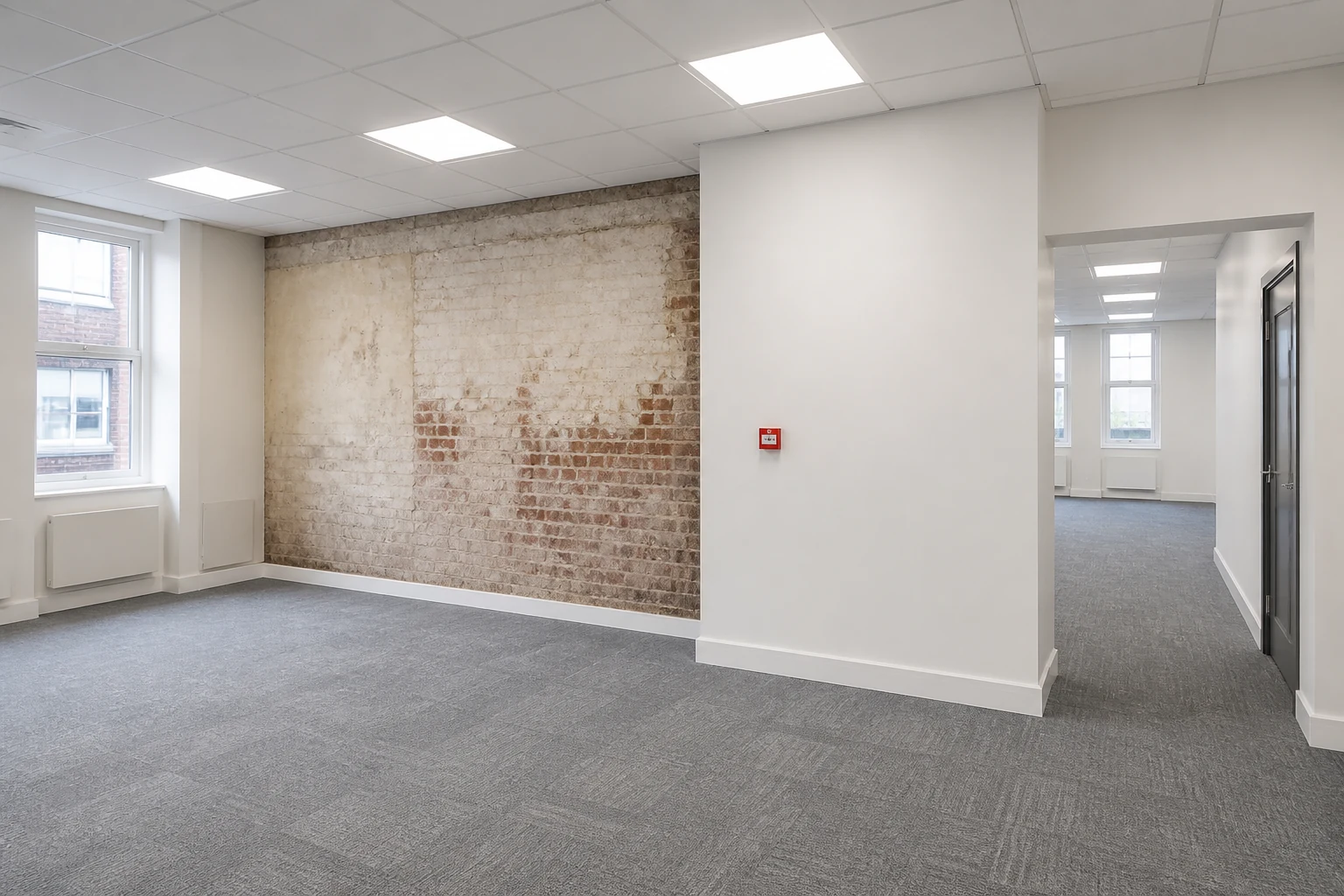
Buildings rarely stay exactly as they were when first designed. Occupiers change, layouts evolve, technology improves and operational requirements shift. Fixed wire testing can reveal where the electrical installation has not kept pace with those changes.
For example, testing may show circuits serving equipment they were not originally intended to support, or areas where demand has increased over time. It may identify distribution boards that are crowded, poorly labelled or difficult to access. It can also highlight where older parts of an installation sit alongside newer additions.
None of this automatically means a full rewire is needed. In many cases, targeted remedial work and better maintenance planning may be enough. In other situations, repeated defects or limitations in the existing installation may indicate that more significant improvement should be considered.
Where that question arises, it can be useful to understand the signs discussed in Baudelaire’s article on when a commercial building should be rewired. Fixed wire testing provides evidence for that conversation, helping decisions to be based on condition and performance rather than assumption.
What a useful report should help you understand
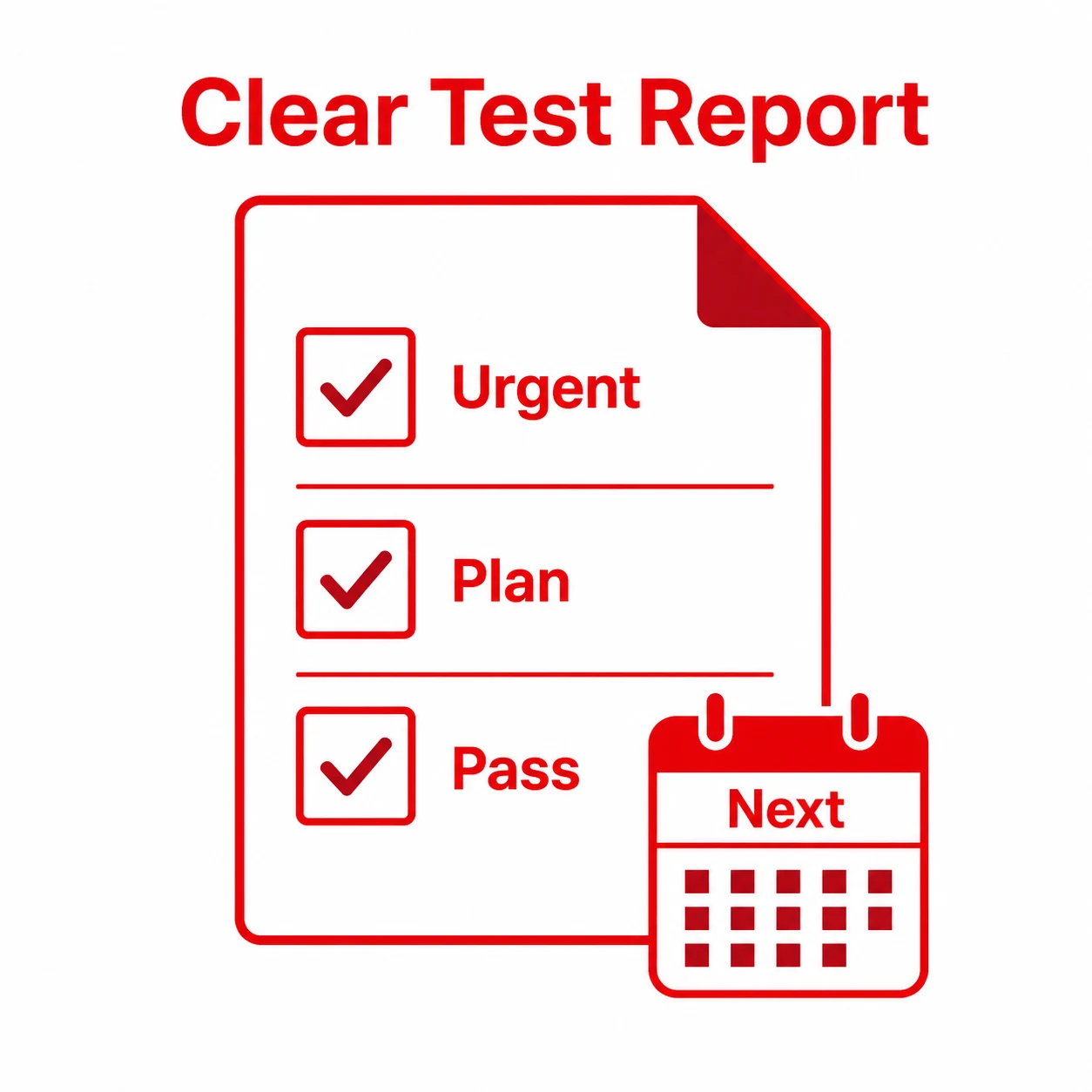
The report that follows fixed wire testing is important. It should be clear enough for non technical decision makers to understand, while still containing the detail needed by electricians and maintenance teams.
A useful report should explain the outcome of the inspection and testing, identify observed defects, classify issues by urgency and record test results. It should also make it clear where further investigation is recommended. This helps avoid vague conclusions and gives the building owner or manager something they can act on.
When reviewing a report, it is worth looking beyond the overall result. The detail can reveal patterns, recurring issues and areas where the building may benefit from ongoing attention. A satisfactory report can still include observations that are useful for future planning. An unsatisfactory report should give a clear route toward remedial action.
The best outcomes come when testing is treated as part of an ongoing safety and maintenance strategy. A report should not simply be filed away until the next inspection. It should inform repairs, maintenance schedules, refurbishment decisions and conversations about how the building is used.
- Fixed wire testing can reveal hidden safety issues, deterioration and unsuitable alterations within a building’s electrical installation.
- The report helps separate urgent defects from planned maintenance priorities, making decisions clearer and easier to manage.
- Testing can show how a building’s electrical demands have changed over time and whether the installation still supports current use.
- A good report provides practical evidence for audits, remedial works, maintenance planning and future investment decisions.
Frequently asked questions
Is fixed wire testing the same as an electrical safety audit?
Not exactly. Fixed wire testing is a technical inspection and test of the fixed electrical installation. An electrical safety audit may be wider and can include documentation, processes, maintenance records and site procedures. The results of fixed wire testing can provide valuable evidence for an audit.
What kinds of problems can fixed wire testing identify?
It can identify issues such as damaged wiring, poor connections, insulation deterioration, inadequate earthing or bonding, overloaded circuits, unsuitable protective devices, missing labels and signs of previous work that may need review.
Does an unsatisfactory report mean the whole building needs rewiring?
No. An unsatisfactory report means defects have been found that need attention. Some may be simple repairs, while others may need further investigation or planned remedial work. The report should help clarify the scale and priority of what is required.
Who should arrange fixed wire testing?
It is usually arranged by the person or team responsible for building safety, facilities management, compliance or maintenance. The testing should be carried out by competent electrical professionals with the right experience for the type of building and installation.
Plan electrical testing with confidence
If you want a clearer understanding of your building’s electrical condition, Baudelaire can help with professional testing, reporting and practical maintenance guidance.