A reliable fire alarm system is one of the most important safety features within any commercial building. Whether you operate an office, warehouse, retail premises, school, healthcare facility or industrial site, your fire alarm system plays a critical role in protecting people, property and business continuity.
Like any technology, fire alarm systems can become outdated over time. Components wear out, regulations evolve, and newer systems offer improved performance and reliability. Unfortunately, many businesses only think about upgrading their fire alarm system when a fault develops or a compliance issue is identified.
Understanding the warning signs early can help prevent costly disruptions and ensure your premises remain protected. In this guide, we explore the most common indicators that it may be time to consider a Fire Alarm System Upgrade.
Your Fire Alarm System Is More Than 10 Years Old
While many fire alarm systems can operate for longer than a decade, age is often one of the first indicators that an upgrade should be considered.
Older systems may still function, but they often lack the advanced features and reliability found in modern fire detection technology. Manufacturers may discontinue support for older equipment, making repairs more difficult and expensive.
A Fire Alarm System Upgrade allows businesses to benefit from improved detection capabilities, enhanced monitoring, reduced false alarms and greater system flexibility.
If your fire alarm system was installed more than ten years ago, it may be worth arranging a professional assessment to determine whether it still meets current requirements.
Replacement Parts Are Difficult to Source
One of the clearest signs that an upgrade is needed occurs when replacement parts become difficult or impossible to obtain.
As manufacturers discontinue older models, spare components such as detectors, sounders, control panels and interface modules may no longer be available. This can create significant challenges when faults occur.
In some cases, a minor fault may leave businesses facing costly temporary solutions simply because compatible parts cannot be sourced.
A planned Fire Alarm System Upgrade is usually far more cost-effective than repeatedly repairing obsolete equipment.
Frequent False Alarms Are Becoming a Problem
False alarms can be more than just an inconvenience.
Repeated unwanted activations can disrupt operations, reduce productivity and lead to complacency among staff. Over time, occupants may become less responsive to alarm activations, potentially increasing risk during a genuine emergency.
Older detectors can become more susceptible to dust, environmental conditions and component deterioration. Modern fire alarm technology is far more sophisticated and can often distinguish between genuine fire indicators and harmless environmental factors.
If your business is experiencing frequent false alarms, a Fire Alarm System Upgrade may significantly improve system accuracy and reliability.
The System No Longer Meets Current Business Needs
Businesses rarely remain static.
Perhaps your premises have been extended. Maybe internal layouts have changed, occupancy levels have increased, or new operational areas have been introduced.
A fire alarm system designed for a building ten years ago may no longer provide suitable coverage today.
Changes such as:
- Office expansions
- Warehouse extensions
- New meeting rooms
- Additional production areas
- Changes in occupancy levels
can all affect fire detection requirements.
A comprehensive Fire Alarm System Upgrade ensures that protection levels match the current use and layout of your building.
You Are Experiencing Regular Faults
Occasional faults can occur with any system. However, frequent fault warnings are often a sign that the system is reaching the end of its serviceable life.
Common issues include:
- Detector faults
- Battery failures
- Communication errors
- Power supply problems
- Control panel failures
Repeated callouts can quickly become expensive and disruptive.
Rather than continually investing in repairs, many organisations find that upgrading provides a more reliable long-term solution while reducing maintenance costs.
Your Fire Risk Assessment Highlights Deficiencies
Fire risk assessments play a vital role in identifying weaknesses within a building’s fire safety measures.
If your latest assessment identifies shortcomings relating to fire detection, alarm coverage or system performance, an upgrade may be necessary to achieve compliance.
Examples may include:
- Insufficient detector coverage
- Inadequate alarm audibility
- Lack of monitoring capability
- Outdated control equipment
- Poor integration with other safety systems
Addressing these recommendations through a Fire Alarm System Upgrade can help improve compliance while enhancing overall safety.
The Control Panel Looks Outdated
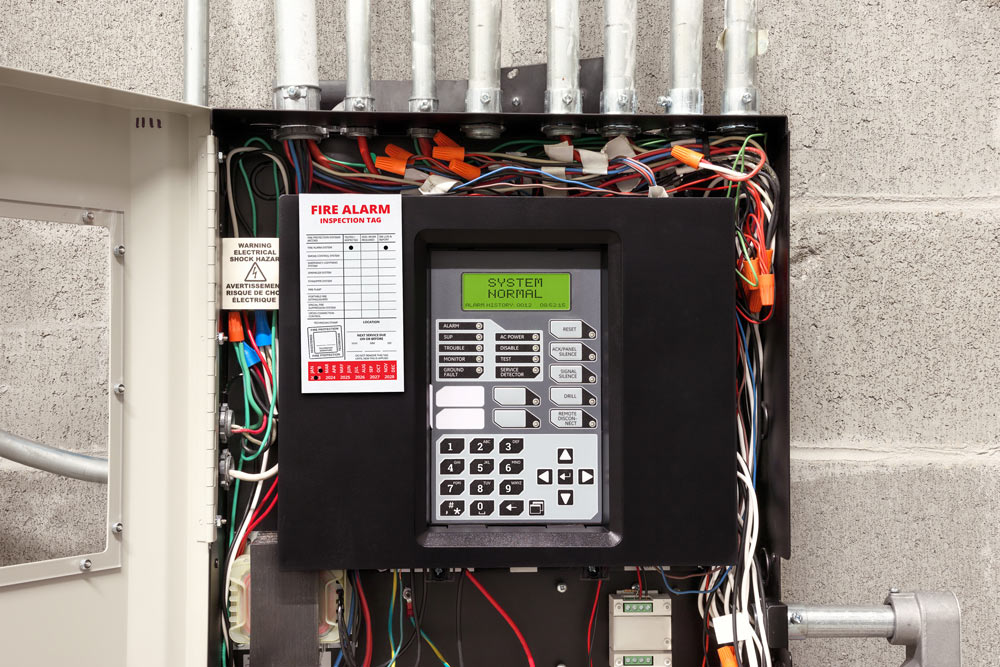
The fire alarm control panel acts as the central hub of the entire system.
Older panels often feature limited functionality, basic displays and restricted programming capabilities. In contrast, modern addressable systems provide detailed information about alarm locations, fault conditions and maintenance requirements.
Upgrading to a newer panel can improve system management while making it easier for responsible persons and maintenance teams to identify and resolve issues quickly.
Modern systems also support integration with access control, emergency lighting and building management systems.
Your Business Needs Remote Monitoring
Today’s businesses increasingly require real-time information and remote access capabilities.
Modern fire alarm systems can often be connected to monitoring centres, mobile applications and building management platforms.
Benefits may include:
- Instant notifications
- Remote fault monitoring
- Faster emergency response
- Improved maintenance planning
- Enhanced compliance reporting
If your current system cannot support these features, a Fire Alarm System Upgrade may provide significant operational advantages.
You Are Planning Building Renovations
Major refurbishment projects provide an ideal opportunity to review existing fire safety systems.
When walls are moved, ceilings altered or new areas created, existing detector layouts may no longer provide suitable coverage.
Rather than adapting an outdated system piece by piece, many organisations choose to undertake a full Fire Alarm System Upgrade during renovation works. This approach often proves more efficient and cost-effective in the long run.
Compliance Requirements Have Changed
Fire safety standards and best practices continue to evolve.
While an older system may have complied with regulations at the time of installation, expectations and recommendations can change over the years.
Regular reviews help ensure that fire alarm systems remain appropriate for the building and its occupants.
A professional fire alarm specialist can assess whether your existing installation continues to meet current guidance and advise whether an upgrade would be beneficial.
The Benefits of a Fire Alarm System Upgrade
Upgrading your fire alarm system offers a range of important advantages, including:
- Improved reliability
- Faster fire detection
- Reduced false alarms
- Better compliance support
- Easier maintenance
- Enhanced reporting capabilities
- Remote monitoring options
- Greater scalability for future growth
- Improved protection for occupants and property
Most importantly, an upgraded system helps ensure that your organisation remains prepared should an emergency occur.
Conclusion
Fire alarm systems are not designed to last forever. As technology advances and business requirements evolve, older systems can become less reliable, more expensive to maintain and increasingly difficult to support.
If your fire alarm system is showing signs of age, generating frequent faults, suffering from false alarms or struggling to meet current operational needs, now may be the right time to consider a Fire Alarm System Upgrade.
A professional assessment can help identify any weaknesses within your existing installation and provide recommendations tailored to your premises. By acting proactively, businesses can improve safety, support compliance and gain peace of mind knowing their fire protection systems are fit for the future.